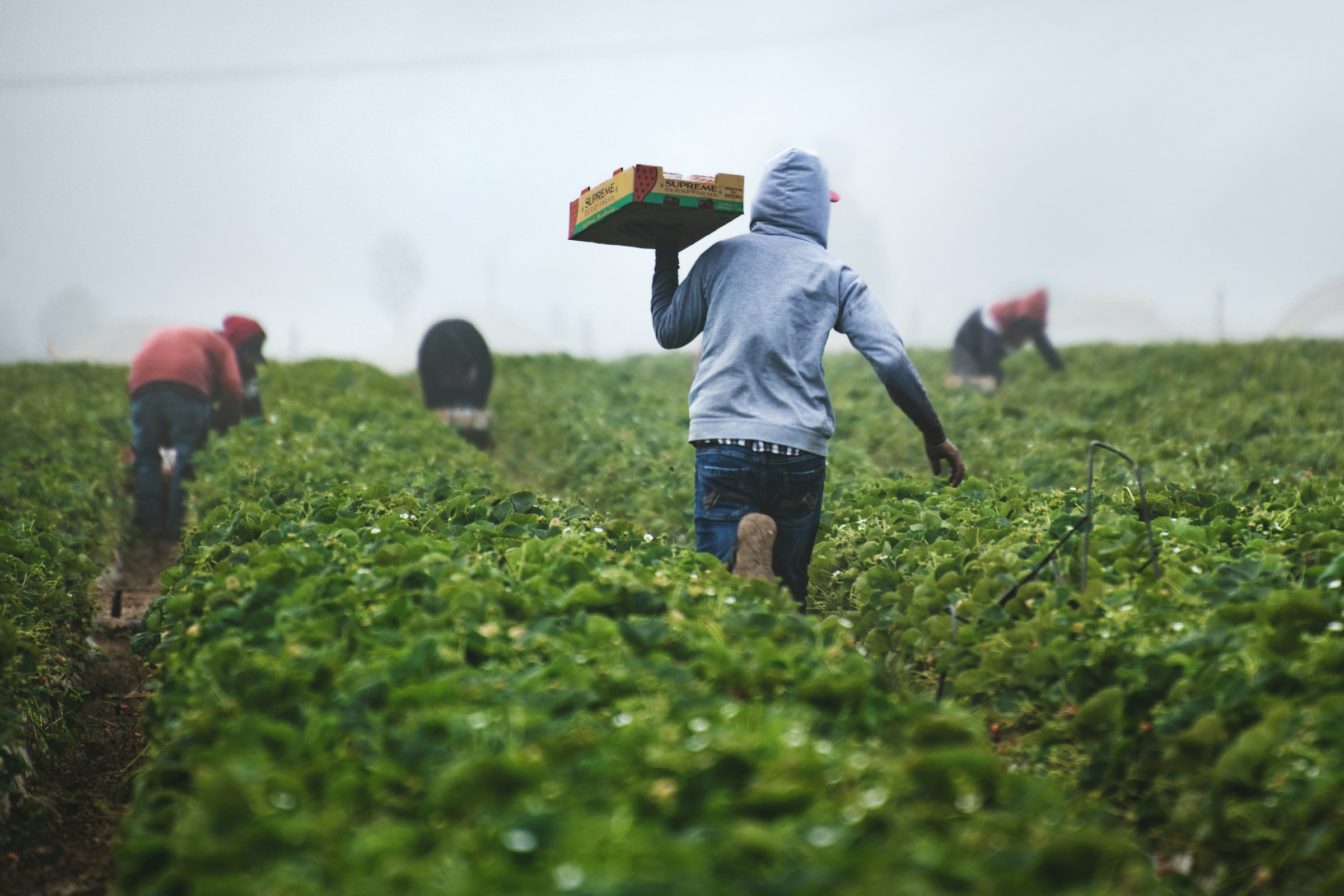
Food prices are rising. Weather patterns are becoming less predictable. Input costs keep climbing. Farmers are producing under pressure — yet hunger isn’t going away.
This is the reality we’re building FarmGuide AI around:
Food insecurity is not only a production problem. It’s a decision problem — at the farm level, market level, and system level.
In this first post on FarmGuide’s blog, we’ll explain the drivers behind food insecurity (especially in Africa), why farmers are often forced into guesswork, and how FarmGuide is designed to help farmers plan, monitor, and market more intelligently — strengthening food security from the ground up.
Why food insecurity persists (even when farmers are trying)
Food insecurity is complex. It is shaped by multiple, overlapping drivers — and the impact becomes worse when farms lack reliable tools, timely information, and access to stable markets.
Here are the most common forces pushing food systems toward crisis:
1) Climate shocks are now normal
Droughts, floods, heat waves, and shifting rainy seasons reduce yields and increase crop failure risk. When planting windows shift, or rain arrives late, the farmer’s entire season plan can collapse — even when they do everything “right.”
2) Conflict and economic instability disrupt production and supply chains
Conflict limits access to land, labor, transport, inputs, and safe markets. Economic shocks like inflation and currency instability can push input costs beyond reach, reduce purchasing power, and shrink demand.
3) Smallholders carry the food system — but operate with limited support
Smallholder farmers play an outsized role in food supply, yet many farm with limited extension access, fragmented record-keeping, and weak market visibility — which compounds risk and reduces resilience.
4) A “market glut” cycle keeps repeating
A common pattern across many crops is the “everyone plants the same thing” effect:
- A crop performs well in one season
- Many farmers adopt it for the next season
- Supply spikes
- Prices crash
- Farmers lose income and sometimes abandon harvests, increasing waste
This isn’t a farmer problem — it’s an information and coordination problem.
The decision gap: where farms lose yields, income, and resilience
Even without conflict or climate shocks, farms often struggle because decisions are made with incomplete information.
Most farms face three persistent gaps:
Planning gap (before planting)
Farmers often lack:
- Localized season guidance (what to plant, when, and how much)
- A clear crop calendar with critical tasks
- A simple way to map plots and track what is planted where
Monitoring gap (during the season)
Problems are typically detected late:
- Crop stress is noticed only when damage is already visible
- Scouting is inconsistent due to labor constraints
- Weather changes aren’t translated into practical actions quickly enough
Market gap (toward harvest)
Farmers sell into uncertainty:
- Weak visibility into buyer demand
- Price signals arrive late (or not at all)
- No system-level view of what others are producing
When these three gaps overlap, farms become reactive. That’s how “one bad season” becomes a crisis — for farmers, and for the communities that depend on them.
What a food-security-focused farm platform should do
If we want to strengthen food security, tools must help farmers make better decisions across the entire season — not just at harvest.
A practical system should help farmers:
- Plan: build a clear, trackable season plan
- Monitor: detect problems early and respond faster
- Record: track inputs, yields, and costs to improve profitability
- Coordinate: reduce gluts and connect supply to demand
This is the foundation of FarmGuide AI.
How FarmGuide AI is built to help (from farm-level wins to system-level impact)
FarmGuide AI is an intelligent farm management and agronomy platform built in Africa for the world, focused on making decision-making easier, earlier, and more reliable.
1) Plan smarter seasons (reduce guesswork)
FarmGuide helps farmers:
- Map fields and plots
- Structure what is planted where
- Generate crop calendars and task schedules aligned to the season
Why it matters: Better planning increases the likelihood of stable yields and reduces preventable mistakes.
2) Monitor crops proactively (reduce losses)
FarmGuide is designed to support:
- Earlier detection of crop stress using field monitoring workflows
- Weather-aware advisories
- Clear scouting and task execution
Why it matters: Early action prevents yield loss, stabilizes supply, and protects farmer income.
3) Track inputs, yields, and costs (improve farm viability)
Food security is not only about producing food — it’s also about keeping farmers in business.
FarmGuide supports:
- Input and activity records
- Harvest logs
- Simple profitability insights by crop and plot
Why it matters: Viable farms reinvest, expand, hire labor, and sustain production.
4) Food Finder (reduce gluts, strengthen supply signals)
One of the most persistent causes of farmer losses is poor production coordination.
Food Finder is designed to:
- Let farmers declare intended crops ahead of the season
- Surface early signals of oversupply risk
- Alert farmers when too many farms are planting the same crop
- Highlight demand signals from buyers, processors, and retailers as the network grows
- Over time, connect farmers, aggregators, and buyers more efficiently
Why it matters: Better coordination reduces waste, stabilizes prices, and improves availability.
Why this matters beyond Africa
Africa is one of the most urgent frontlines of food insecurity — but the underlying pattern is global:
- Climate volatility affects farmers everywhere
- Supply and demand mismatches cause waste everywhere
- Small producers worldwide need better planning and market tools
The most scalable way to strengthen food systems is to improve decision-making at the edges — on farms — and gradually build network-level intelligence from real production data.
What you can expect from this blog
This is the first post on FarmGuide AI’s blog, and our goal is to publish content that is practical, grounded, and useful.
We’ll share:
- Crop planning frameworks farmers can use immediately
- Guides on reducing losses (pests, diseases, heat stress)
- Season planning and budgeting templates
- Market intelligence concepts (how to avoid gluts)
- Product updates and early access learnings
Early access: help us build FarmGuide with real farms
We’re opening limited early access for:
- Smallholder and growing commercial farms
- Cooperatives and farmer groups
- Aggregators, off-takers, and impact programs
If you’re interested, apply through the Get Early Access flow on the website and tell us what you grow, where you farm, and what challenges you want to solve first.
FAQ
Is FarmGuide AI only for African farmers?
FarmGuide is built and tested in Africa first because the need is urgent — but the principles and tools are designed to support farmers globally.
Will FarmGuide replace extension workers or agronomists?
No. FarmGuide is built to support better day-to-day decisions and make guidance more actionable — especially when human support is limited.
What makes FarmGuide different from generic farm apps?
FarmGuide is designed around food security outcomes: better planning, earlier detection of field issues, and smarter coordination to reduce gluts and waste — not just record-keeping.